Training on Strategies for Reading Printed and Digital Texts for Students of MTs Mahdaliyah Jambi City
DOI:
https://doi.org/10.22437/pz8evq25Keywords:
Digital Texts, Jambi, Print Texts, Reading Strategies, TrainingAbstract
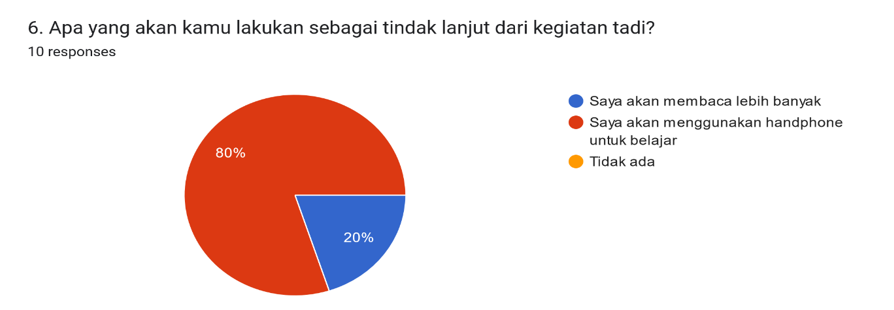
This community service activity aimed to provide training on reading strategies for print and digital texts to increase students’ interest in reading. Based on the findings of a study conducted by the community service team in the previous year, different strategies were identified for reading these two types of texts. Therefore, the findings were considered important to disseminate to the intended users, particularly junior secondary school students. Increasing students’ interest in reading useful and meaningful texts is important, as reading activities are increasingly challenged by the widespread use of smartphones, which provide access to various forms of entertainment, including games, social media, and other digital content. During the activity, the community service team provided materials on the importance of reading, reasons why students should read more, useful types of reading materials in both digital and print formats, and other supporting activities. At the end of the training, students reported a better understanding and mastery of reading techniques appropriate to the medium being used. They also indicated that they were better able to maximize the use of their mobile phones for learning purposes.
References
Ahmadi, M. R. (2017). The impact of motivation on reading comprehension. International Journal of Research in English Education, 2(1), 1–7. https://doi.org/10.18869/acadpub.ijree.2.1.1
Amez, S., & Baert, S. (2021). The effects of smartphone addiction on learning: A meta-analysis. Computers in Human Behavior Reports, 4, 100114. https://doi.org/10.1016/j.chbr.2021.100114
Chang, B. (2019). Reflection in learning. Online Learning, 23(1), 95–110. https://doi.org/10.24059/olj.v23i1.1447
Hare, C., Johnson, B., Vlahiotis, M., Panda, E. J., Tekok-Kilic, A., & Curtin, S. (2024). Children's reading outcomes in digital and print mediums: A systematic review. Journal of Research in Reading, 47(3), 309–329. https://doi.org/10.1111/1467-9817.12461
Hawari, H., & Yonatan, A. Z. (2022, November 4). 20 benefits of reading for children, pregnant women, and adults [in Bahasa]. detikBali. https://www.detik.com/bali/berita/d-6387561/20-manfaat-membaca-untuk-anak-ibu-hamil-dan-dewasa
Hirvela, A. R. (2004). Connecting reading & writing in second language writing instruction. University of Michigan Press.
Isakson, R. L., Isakson, M. B., Plummer, K. J., & Chapman, S. B. (2016). Development and validation of the Isakson Survey of Academic Reading Attitudes (ISARA). Journal of College Reading and Learning, 46(2), 113–138. https://doi.org/10.1080/10790195.2016.1141667
Li, H., Wang, C., Gan, Z., & Hoi, C. K. W. (2024). Reading motivation and learning strategies among Chinese EFL learners. Psychology in the Schools, 61(5), 1747–1765. https://doi.org/10.1002/pits.23135
Lim, F. V., & Toh, W. (2020). How to teach digital reading? Journal of Information Literacy, 14(2), 24–43. https://doi.org/10.11645/14.2.2701
Lubis, S. S. W. (2020). Building a reading literacy culture through the use of daily reading journals. Pionir: Jurnal Pendidikan, 9(1), 127–135. https://doi.org/10.22373/pjp.v9i1.7167
Mac Iver, M. A., Davis, M. H., & Mac Iver, D. J. (2024). Motivating adolescents to read. Phi Delta Kappan, 105(5), 37–41. https://doi.org/10.1177/00317217241230783
McBreen, M., & Savage, R. (2021). The impact of motivational reading instruction on the reading achievement and motivation of students: A systematic review and meta-analysis. Educational Psychology Review, 33(3), 1125–1163. https://doi.org/10.1007/s10648-020-09584-4
Neugebauer, S. R., Han, I., Fujimoto, K. A., & Ellis, E. (2022). Using national data to explore online and offline reading comprehension processes. Reading Research Quarterly, 57(3), 1021–1047. https://doi.org/10.1002/rrq.459
OECD. (2023). PISA 2022 results (Volume I): The state of learning and equity in education. OECD Publishing. https://doi.org/10.1787/53f23881-en
Peras, I., Klemenčič Mirazchiyski, E., Japelj Pavešić, B., & Mekiš Recek, Ž. (2023). Digital versus paper reading: A systematic literature review on contemporary gaps according to gender, socioeconomic status, and rurality. European Journal of Investigation in Health, Psychology and Education, 13(10), 1986–2005. https://doi.org/10.3390/ejihpe13100142
Sabila, Z. (2025). Interpersonal communication in increasing interest in Quran recitation classes at the Muslimat NU TPQ in Purbayasa Village, Pangkah District, Tegal Regency [in Bahasa]. [Undergraduate thesis, Universitas Islam Negeri Prof. K.H. Saifuddin Zuhri Purwokerto].
Sari, W. S., Faruk, F., & Hurley, U. (2023). Reading stories for pleasure: An insight into Indonesian university students’ practice in online reading platforms. Indonesian Journal of Applied Linguistics, 13(2), 430–442. https://doi.org/10.17509/ijal.v13i2.63076
Sohail, S. (2015). Academic reading strategies used by Leeds Metropolitan University graduates: A case study. Journal of Education and Educational Development, 2(2), 115–133.
Solihin, L., Utama, B., Pratiwi, I., & Novirina, N. (2019). Reading literacy activity index for 34 provinces [in Bahasa]. Pusat Penelitian Kebijakan Pendidikan dan Kebudayaan.
Suggate, S. P., & Martzog, P. (2022). Preschool screen-media usage predicts mental imagery two years later. Early Child Development and Care, 192(10), 1659–1672. https://doi.org/10.1080/03004430.2021.1924164
Sun, Y., Wang, J., Dong, Y., Zheng, H., Yang, J., Zhao, Y., & Dong, W. (2021). The relationship between reading strategy and reading comprehension: A meta-analysis. Frontiers in Psychology, 12, 635289. https://doi.org/10.3389/fpsyg.2021.635289
van der Sande, L., van Steensel, R., Fikrat-Wevers, S., & Arends, L. (2023). Effectiveness of interventions that foster reading motivation: A meta-analysis. Educational Psychology Review, 35, 21. https://doi.org/10.1007/s10648-023-09719-3
Viqar, S., Bakhtyar, M., & Farooq, N. (2022). Impact of leisure reading on the stress levels in medical students. Students’ Supplement of Journal of Rawalpindi Medical College, 22(S-1).
Webber, C., Wilkinson, K., Duncan, L., & McGeown, S. (2023). Approaches for supporting adolescents’ reading motivation: Existing research and future priorities. Frontiers in Education, 8, 1254048. https://doi.org/10.3389/feduc.2023.1254048
Wisniewski, B., Zierer, K., & Hattie, J. (2020). The power of feedback revisited: A meta-analysis of educational feedback research. Frontiers in Psychology, 10, 3087. https://doi.org/10.3389/fpsyg.2019.03087
Wu, L., Valcke, M., & Van Keer, H. (2023). Differential effects of reading strategy intervention for three levels of comprehenders: Focus on text comprehension and autonomous reading motivation. Learning and Individual Differences, 104, 102290. https://doi.org/10.1016/j.lindif.2023.102290
Yan, Z., Lao, H., Panadero, E., Fernández-Castilla, B., Yang, L., & Yang, M. (2022). Effects of self-assessment and peer-assessment interventions on academic performance: A meta-analysis. Educational Research Review, 37, 100484. https://doi.org/10.1016/j.edurev.2022.100484
Yapp, D. J., de Graaff, R., & van den Bergh, H. H. (2021). Improving second language reading comprehension through reading strategies: A meta-analysis of L2 reading strategy interventions. Journal of Second Language Studies, 4(1), 154–192. https://doi.org/10.1075/jsls.19013.yap
Downloads
Published
Issue
Section
License
Copyright (c) 2026 Melati, Nyimas Triyana Safitri, Radiatan Mardiah, Nely Arif, Duti Volya

This work is licensed under a Creative Commons Attribution 4.0 International License.
Please find the rights and licenses in Jurnal Jurnal Karya Abdi Masyarakat (JKAM).
- License
The non-commercial use of the article will be governed by the Creative Commons Attribution license as currently displayed on Creative Commons Attribution 4.0 International License.
- Authors Warranties
The author warrants that the article is original, written by stated author(s), has not been published before, contains no unlawful statements, does not infringe the rights of others, is subject to copyright that is vested exclusively in the author and free of any third party rights, and that any necessary written permissions to quote from other sources have been obtained by the author(s).
- User Rights
JKAM's spirit is to disseminate articles published are as free as possible. Under the Creative Commons license, JKAM permits users to copy, distribute, display, and perform the work for non-commercial purposes only. Users will also need to attribute authors and JKAM on distributing works in the journal.
- Rights of Authors
Authors retain the following rights:
- Copyright, and other proprietary rights relating to the article, such as patent rights,
- The right to use the substance of the article in future own works, including lectures and books,
- The right to reproduce the article for own purposes, provided the copies are not offered for sale,
- The right to self-archive the article.
- Co-Authorship
If the article was jointly prepared by other authors, the signatory of this form warrants that he/she has been authorized by all co-authors to sign this agreement on their behalf, and agrees to inform his/her co-authors of the terms of this agreement.
- Termination
This agreement can be terminated by the author or JKAM upon two months notice where the other party has materially breached this agreement and failed to remedy such breach within a month of being given the terminating party notice requesting such breach to be remedied. No breach or violation of this agreement will cause this agreement or any license granted in it to terminate automatically or affect the definition of JKAM.
- Royalties
This agreement entitles the author to no royalties or other fees. To such extent as legally permissible, the author waives his or her right to collect royalties relative to the article in respect of any use of the article by JKAM or its sublicensee.
- Miscellaneous
JKAM will publish the article (or have it published) in the journal if the articles editorial process is successfully completed and JKAM or its sublicensee has become obligated to have the article published. JKAM may conform the article to a style of punctuation, spelling, capitalization, referencing and usage that it deems appropriate. The author acknowledges that the article may be published so that it will be publicly accessible and such access will be free of charge for the readers.